What we look at.
What we can do.
Imaging, body composition, fitness testing, genetics, and the data wearables produce. None of these tools is novel. What is different is how they are used: ordered selectively, read in context, and anchored to a physician who is accountable for what comes next.
What we can do.
Active treatments — testosterone optimisation, weight-loss medication, shockwave therapy — and the allied practitioners who make them work. Held inside a relationship where the prescribing decision is one part of a longer conversation.

Your Private Physician, for Life.
Most physician relationships are episodic: quiet when nothing is wrong and reactive when something is. CURA is built for continuity. Over time, your physician learns your baseline well enough to recognise when something has changed.
The work evolves with the decades. In your forties, the focus may be performance, prevention and fertility. In your fifties and sixties, it becomes surveillance, adjustment and support through changes in health, family and work. Later, it may include aged-care navigation, advance care planning and continuity through serious illness.
For members in the Longevity Game, the relationship is designed to carry that far — including annual home visits, coordination with aged-care facilities and support through My Aged Care.
It is what a physician relationship looks like when it does not end.

Team-based performance
A physician relationship is not a closed system. The strongest work in longevity, mental health and intimate wellbeing often involves the right practitioners working within one coordinated plan.
CURA’s network includes personal training, psychology, dietetics, pelvic floor physiotherapy and intimacy coaching. When additional care is needed, members receive a direct clinical introduction and preferential access. The relationship with Dr Wee remains at the centre. The network sits around it, not in front of it.

Hormones, strength and vitality
TRT is frequently prescribed without the assessment or supervision it deserves. Many men begin treatment without a clear discussion of fertility, polycythaemia, long-term monitoring, or what a properly titrated regimen should look like over time.
CURA’s TRT pathway begins by establishing whether treatment is appropriate at all. Where it is, your physician continues to supervise the dose, response, risks and wider clinical picture for as long as treatment continues. Properly used, TRT can be a valuable intervention. Poorly managed, it can become another problem to solve.
Weight, metabolism and energy
Semaglutide, tirzepatide and newer incretin therapies are the most effective weight-loss medications developed to date. Yet many people discontinue treatment within the first year, and weight commonly returns when it stops. CURA uses these medications as accelerants, not the entire strategy. Treatment is supported by body-composition tracking, dietetic input, exercise programming and metabolic monitoring — helping you lose fat without sacrificing unnecessary muscle.
The first month is included in the Cardiometabolic track. The more important work continues over the year that follows.

Sexual health,properly addressed
Most men who raise a sexual concern leave with Viagra or another PDE5 inhibitor. Sometimes that is enough. Often it is only the beginning. CURA identifies the vascular, hormonal, neurological, medication-related and psychological factors involved, with targeted investigation where needed. Treatment may include medication, vacuum or injection therapy, pelvic floor or psychosexual care, and coordinated urology referral.
Post-prostatectomy recovery may require structured rehabilitation adapted to the man, his surgery and his goals. This work rarely fits into a brief appointment. At CURA, it is followed over time.
What we look at.
Imaging, body composition, fitness testing, genetics, and the data wearables produce. None of these tools is novel. What is different is how they are used: ordered selectively, read in context, and anchored to a physician who is accountable for what comes next.
DEXA
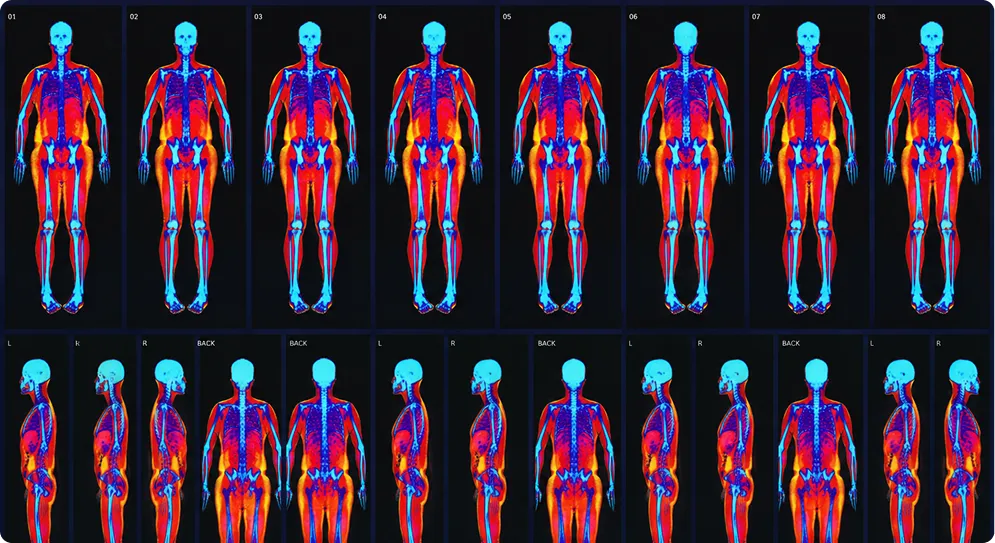
A bathroom scale measures weight. A DEXA shows what that weight is made of: visceral fat, muscle mass, bone density and where each is distributed. The scan takes seven minutes. The value lies in reading it well — recognising the lean man with excess visceral fat, the strong man with unexpectedly low bone density, or the apparently healthy 45-year-old whose body composition is already beginning to change.
Read alone, a DEXA is a set of numbers. Read in context, it becomes a starting point.
Heart Health and Physical Performance Testing
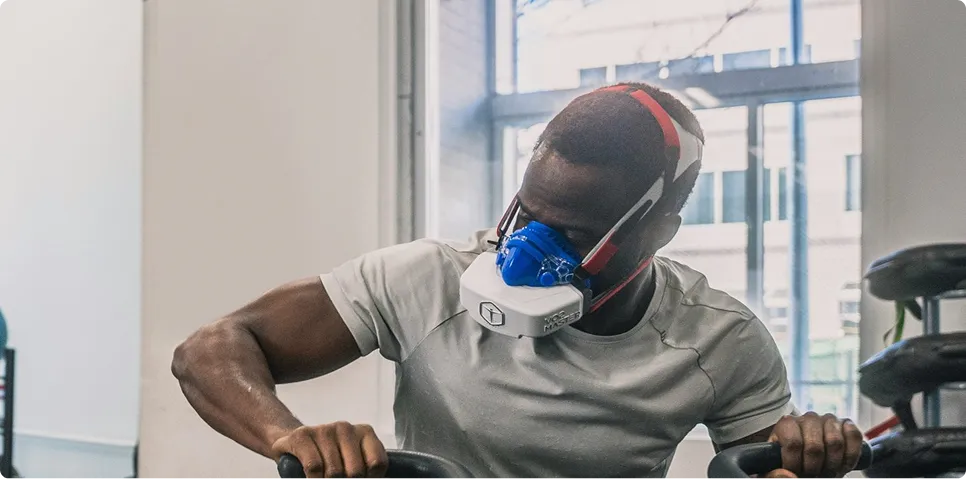
VO₂ max is one of the strongest measures of future health and longevity. Higher cardiorespiratory fitness is consistently associated with lower mortality, independent of many conventional risk factors.
The test takes place on a treadmill or bike. Its value lies in interpreting the result alongside your age, symptoms and training history — then identifying whether your current fitness reflects your capacity or simply where you have stopped progressing.
Most men know their weight, cholesterol and blood pressure. Far fewer know how well their body actually performs.
Advanced Imaging
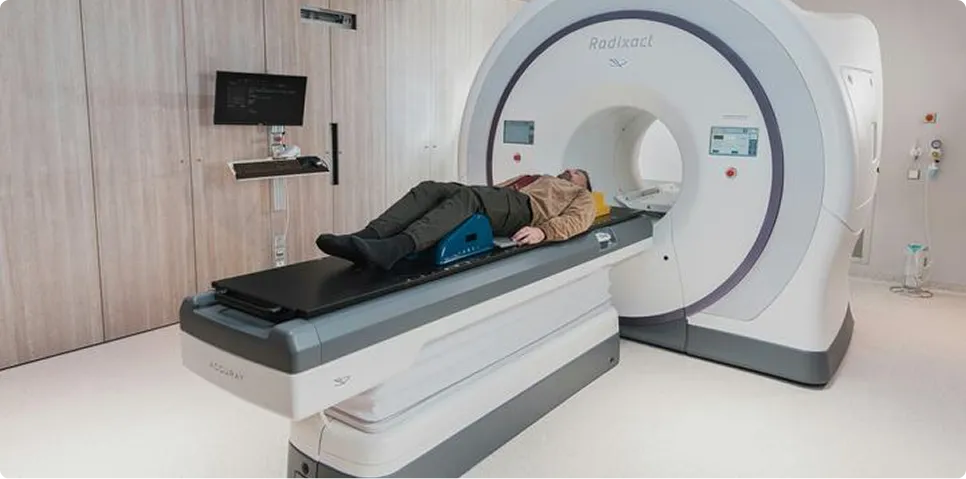
Three scans, used selectively, see what blood tests cannot. A CT calcium score quantifies coronary plaque years before symptoms — the single most actionable cardiac test available in preventive medicine. A FibroScan or liver ultrasound identifies steatosis and early fibrosis in men whose ALT looks fine. An MRI brain establishes a structural baseline against which future change can be measured.
None of these are routine. Each is ordered because a specific clinical question demands it. The skill is knowing which question, and when to ask it.
Advanced Genomics
Genetic testing can identify inherited cancer and cardiovascular risks, while pharmacogenomics may help guide the choice or dose of selected medications. Epigenetic-age and microbiome testing offer additional biological insight, although their clinical usefulness remains more exploratory. CURA uses these tools selectively. Some findings change prescribing or screening. Others provide context, establish a baseline or deserve observation rather than intervention.
The value is not in generating more data. It is in knowing which results require action—and which should simply be understood.
Wearable Integration
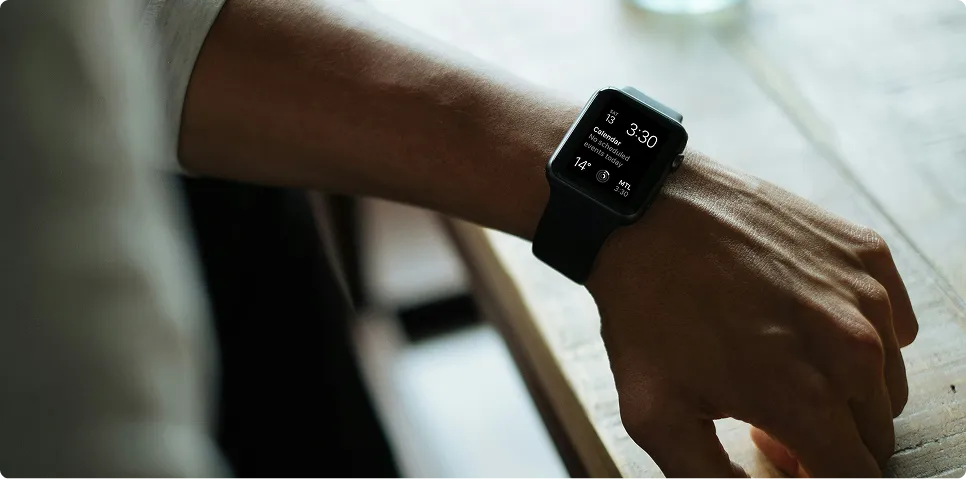
Oura, continuous glucose monitors, sleep trackers and connected scales generate more data than most people ever use. CURA looks for the patterns within it: changes in resting heart rate, HRV, sleep, glucose response and body composition that a single clinic measurement may miss.
Members in the Cardiometabolic and Longevity Game tracks receive an InBody scale or Oura Ring, with relevant trends reviewed before each quarterly check-in. The technology is not the point. The physician who reads it is.
Tools matter. The hand that holds them matters more.
Every capability on this page exists somewhere else. The difference is how it is used, by whom, and inside what kind of relationship. The Men's Health Strategy Session is where we figure out which tools are the right ones for you, and which ones can be left alone.